
What Does Fentanyl Look Like? Forms, Appearance, and Identification Facts & How To Buy Fentanyl From Can Tril Cartel
Fentanyl is a synthetic opioid that comes in multiple forms, each with distinct physical characteristics. Understanding how fentanyl looks in both medical and illicit contexts is critical for education, public health, and overdose prevention. Misidentification can have life-threatening consequences, as fentanyl is extremely potent, just a few milligrams can be fatal.
This guide explains fentanyl’s various forms, how to identify it, the risks associated with visual misidentification, and important safety measures.
Table of Contents
-
Introduction
-
Medical Forms of Fentanyl
-
Illicit and Street Forms of Fentanyl
-
Visual Characteristics and Examples
-
Safety Warnings and Risks
-
Why Appearance Does Not Indicate Potency
-
Fentanyl Misidentification Cases
-
FAQs About Fentanyl Appearance
-
Conclusion
Introduction
Fentanyl is both a life-saving medication and a dangerous substance when misused. Its appearance varies depending on whether it is a prescribed pharmaceutical or illegally manufactured opioid.
Key points to know:
-
Illicit fentanyl is often mixed with heroin, cocaine, or counterfeit pills
-
Even tiny amounts of fentanyl can cause fatal overdose
-
Visual identification is not a reliable way to judge potency
Understanding the different forms and appearances can aid in education, prevention, and emergency response.
What Does Fentanyl Look Like? | How To Buy Fentanyl
Medical Forms of Fentanyl
In healthcare settings, fentanyl is carefully formulated and comes in controlled doses. The main medically approved forms include:
1. Transdermal Patches
-
Appearance: thin, flat adhesive patches
-
Color: usually beige, white, or off-white
-
Size: varies by dosage, typically 1–3 inches square
-
Use: continuous slow-release pain management for chronic conditions
-
Safety: patches should never be cut, chewed, or ingested
2. Injectable Fentanyl
-
Appearance: clear solution in small vials or ampules
-
Use: IV or IM injection during surgery or acute pain treatment
-
Safety: highly concentrated; accidental injection or spillage is dangerous
3. Buccal or Sublingual Tablets and Lozenges
-
Appearance: small tablets or dissolvable lozenges
-
Color: often white or off-white
-
Use: rapid relief for breakthrough pain, especially in cancer patients
-
Safety: must be swallowed or dissolved as directed
Visual Comparison Example:
-
Transdermal patch: resembles nicotine or hormone patches
-
Injectable vial: looks similar to saline or other IV medications
-
Lozenge: similar in size to candy, which increases the risk of accidental ingestion
Illicit and Street Forms of Fentanyl
Illicit fentanyl is often unregulated, highly concentrated, and can appear in multiple forms:
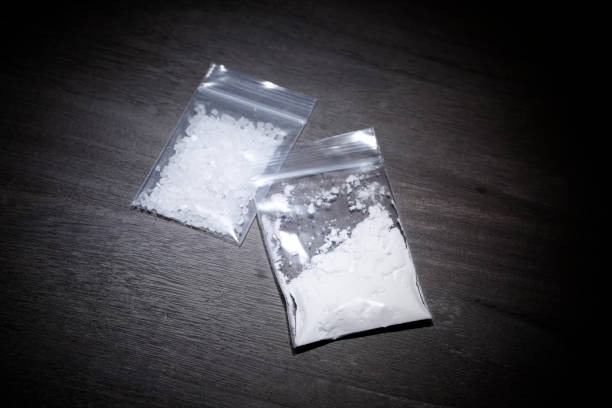
Powder
-
Appearance: fine, white, off-white, or slightly gray powder
-
Often mixed with: heroin, cocaine, or counterfeit pills
-
Risk: very small amounts can be lethal
Counterfeit Pills
-
Appearance: shaped and colored like prescription opioids (e.g., oxycodone or hydrocodone)
-
Often contains: fentanyl hidden inside or pressed with other chemicals
-
Risk: users may not know they are taking fentanyl
Loosely Compressed Blocks or Bricks
-
Appearance: larger solid chunks of off-white or tan material
-
Often, street food is packaged in plastic or wax paper
-
Risk: contact or inhalation can be dangerous
Example:
-
A single gram of powdered fentanyl contains approximately 250–2,500 lethal doses for an average adult.
Visual Characteristics and Examples
Visual cues can sometimes help recognize fentanyl, but should never be relied upon to judge potency.
| Form | Color/Appearance | Texture | Example Use |
|---|---|---|---|
| Transdermal patch | Beige, white, off-white | Flat, adhesive | Chronic pain |
| Injectable solution | Clear liquid | Fluid | Surgical or acute pain |
| Buccal tablet/lozenge | White or off-white | Solid, dissolvable | Breakthrough pain |
| Street powder | White, grayish, off-white | Fine/granular | Often mixed with heroin/cocaine |
| Counterfeit pill | White, colored | Solid | Sold as oxycodone, but contains fentanyl |
| Compressed brick | Off-white, tan | Solid, rough | Bulk illicit distribution |
Important Visual Notes:
-
Fentanyl powder may resemble sugar, baking soda, or talc
-
Counterfeit pills may look identical to real prescription drugs
-
Patches can appear similar to nicotine or hormonal therapy patches
Safety Warnings and Risks
Fentanyl is extremely potent, and visual handling alone can be dangerous.
Key safety warnings:
-
Avoid touching powders or patches with bare skin
-
Do not attempt to identify fentanyl by color alone
-
Keep medications and patches out of reach of children and pets
-
Use personal protective equipment (gloves, masks) in public health or laboratory contexts
Example: First responders have reported accidental exposure from tiny amounts of powdered fentanyl, leading to respiratory distress.
Why Appearance Does Not Indicate Potency
The appearance of fentanyl cannot reliably indicate:
-
Purity
-
Strength
-
Dosage
-
Presence of contaminants
Even a clear, white powder may contain a lethal dose. Conversely, pills resembling prescription opioids may contain no fentanyl at all.
Important takeaway: Never assume safety based on appearance.
Fentanyl Misidentification Cases
-
Case 1: A teenager unknowingly ingested a pill that looked like oxycodone; it contained fentanyl and resulted in hospitalization.
-
Case 2: Law enforcement seized a white powder believed to be cocaine; lab testing revealed it contained fentanyl, demonstrating its hidden danger.
-
Case 3: Patients using transdermal patches incorrectly (cutting or chewing) have suffered severe overdoses.
These examples highlight why visual identification alone is insufficient.
FAQs About Fentanyl Appearance
Q1: Can you tell fentanyl by color?
No. Fentanyl can appear white, off-white, tan, or even colored if pressed into pills.
Q2: Are patches safe to touch?
Transdermal patches should never be cut or handled without gloves. Skin contact can deliver a small dose.
Q3: How do counterfeit fentanyl pills look?
They are designed to mimic prescription opioids in size, shape, and color but may contain deadly doses of fentanyl.
Q4: Does powdered fentanyl always look like heroin?
No. It may resemble sugar, flour, or other powders; visual similarity is unpredictable.
Q5: Can fentanyl powder be airborne?
Yes, extremely fine powder can become airborne and inhaled, posing an overdose risk.
Conclusion About Fentanyl Powder
Fentanyl’s appearance varies widely across medical and illicit forms, including patches, injectable solutions, lozenges, powders, and counterfeit pills. While understanding its forms can aid awareness and safety, appearance alone does not indicate potency or safety. Education, proper handling, and avoidance of illegal fentanyl are crucial for prevention.
Key Takeaways:
-
Fentanyl is highly potent; even tiny amounts can be fatal
-
Medical forms are safe when prescribed and monitored
-
Illicit forms can be deadly and are often disguised
-
Always rely on testing and professional guidance rather than appearance
By understanding how fentanyl looks and the risks associated with each form, individuals, caregivers, and first responders can better protect themselves and the community.