

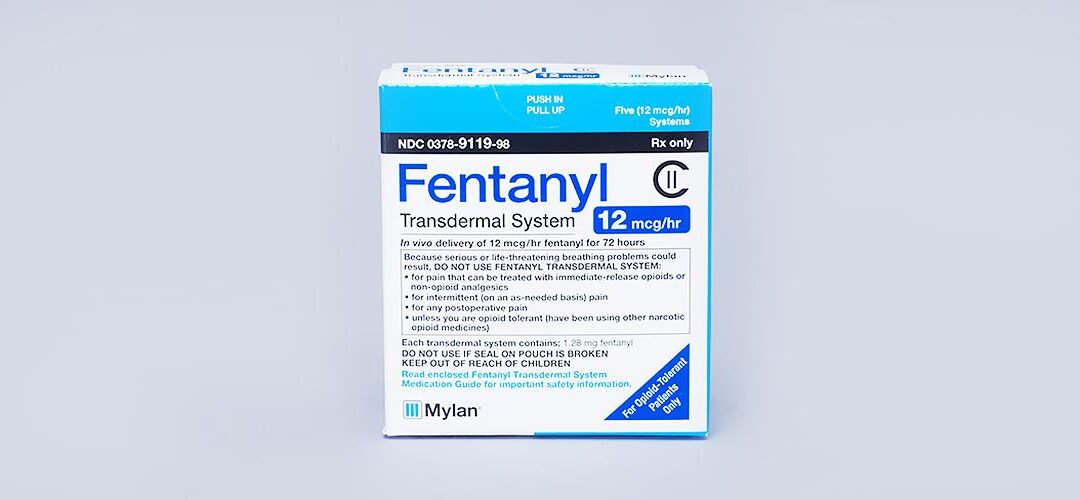
The Dangers of Fentanyl: Health Risks & Safe Places To Buy Fentanyl Online
Introduction: Why Fentanyl Is Considered One of the Most Dangerous Opioids
Fentanyl is widely recognized by medical experts and public health officials as one of the most dangerous opioids due to its extreme potency and rapid effects on the body. While it serves a legitimate role in medical pain management, non-medical exposure to fentanyl has become a major contributor to overdose deaths worldwide.
Understanding the dangers of fentanyl requires examining multiple dimensions:
✔ biological effects on breathing and the brain
✔ addiction and dependence risk
✔ variability in illicit drug supply
✔ contamination with other substances
✔ public health impact and prevention
This in-depth guide explores the science, risks, and real-world consequences associated with fentanyl exposure and misuse.
Why Fentanyl Is More Dangerous Than Many Other Opioids
Fentanyl’s danger stems from a combination of potency, speed of action, and dosing unpredictability.
Extreme Potency
Fentanyl is significantly stronger than many commonly known opioids. Because of this strength:
-
Very small amounts can be fatal
-
Minor dosing errors carry major risk
-
Tolerance levels vary widely
-
Overdose can occur rapidly
Rapid Onset of Effects
Fentanyl enters the bloodstream quickly and affects the brain within minutes. This rapid action reduces the window for intervention if overdose occurs.
Respiratory Suppression
The primary cause of fatal overdose is respiratory depression, where breathing slows or stops entirely. This occurs because opioids suppress the brainstem’s control of respiration.
How Fentanyl Affects the Brain and Body
Fentanyl binds to opioid receptors responsible for pain perception, emotional regulation, and breathing control.
Immediate Physiological Effects
-
Pain relief
-
Sedation
-
Relaxation
-
Slowed breathing
-
Decreased heart rate
-
Reduced oxygen levels
Dangerous Secondary Effects
When oxygen levels drop, vital organs begin to fail. Without rapid intervention, brain injury and death can occur.
Addiction and Dependence Risk
Fentanyl has a high potential for addiction due to its powerful effects on brain reward pathways.
How Addiction Develops
Repeated exposure to opioids can lead to:
-
Increased tolerance
-
Physical dependence
-
Withdrawal symptoms
-
Compulsive use despite harm
Dependence can develop quickly, especially when fentanyl is used outside medical supervision.
Withdrawal Symptoms
When fentanyl use stops suddenly, individuals may experience:
-
Severe anxiety
-
Muscle pain
-
Nausea and vomiting
-
Sweating
-
Insomnia
-
Intense cravings
These symptoms often drive continued use, reinforcing addiction cycles.
Illicit Fentanyl and Unpredictable Drug Supply
A major driver of overdose deaths is illicitly manufactured fentanyl, which is often mixed into other substances without the user’s knowledge.
Why Illicit Supply Is So Dangerous
-
Unknown potency levels
-
Inconsistent formulation
-
Contamination with other drugs
-
Lack of quality control
Even experienced users cannot reliably determine strength or safety.
Drug Mixing and Hidden Exposure
Fentanyl may be present in substances without visible indication. This dramatically increases risk for individuals who do not expect opioid exposure.
Xylazine and Emerging Contamination Threats
Xylazine, a sedative not approved for human use, has increasingly been detected in illicit drug supplies.
Health Effects of Xylazine Exposure
-
Severe sedation
-
Memory impairment
-
Reduced breathing
-
Low blood pressure
-
Slow heart rate
Unlike opioids, xylazine does not respond to naloxone, complicating overdose treatment.
Severe Tissue Damage
Exposure has been linked to:
-
Rapidly developing skin wounds
-
Tissue necrosis
-
Life-threatening infections
-
Sepsis and endocarditis
These complications significantly increase long-term health risks.
Recognizing Fentanyl Overdose Symptoms
Recognizing overdose early is critical for survival.
Common Warning Signs
-
Slow, shallow, or stopped breathing
-
Unresponsiveness
-
Blue lips or fingernails
-
Gurgling sounds
-
Cold or clammy skin
-
Weak or absent pulse
Immediate emergency action is required.
Overdose Reversal and Emergency Response
The primary emergency treatment for opioid overdose is naloxone, commonly known by the brand Narcan.
How Naloxone Works
Naloxone blocks opioid receptors and restores breathing. It can be administered by:
-
Nasal spray
-
Injection
-
Auto-injector devices
It is safe for public use and widely recommended by the Centers for Disease Control and Prevention as a life-saving intervention.
Why Rapid Response Matters
Brain injury can begin within minutes of oxygen deprivation. Immediate action dramatically improves survival outcomes.
Public Health Impact of Fentanyl
Fentanyl has become a central driver of overdose deaths in the United States and globally. Communities have experienced increases in emergency responses, hospitalizations, and long-term health complications.
In Florida, overdose deaths have risen significantly in recent years, leading to expanded harm reduction policies and public health initiatives.
Healthcare systems affiliated with Veterans Affairs have implemented prevention programs including overdose education and naloxone distribution.
Harm Reduction Strategies That Reduce Overdose Risk
Harm reduction approaches aim to reduce negative outcomes while connecting individuals to healthcare services.
Fentanyl Test Strips
Testing tools detect fentanyl presence in substances. Research shows access to testing changes behavior and reduces overdose risk.
Community Training Programs
Public education initiatives teach individuals to:
-
Recognize overdose symptoms
-
Administer naloxone
-
Reduce exposure risk
-
Access treatment services
Access to Treatment
Evidence-based treatment options include:
-
Medication-assisted treatment
-
Behavioral therapy
-
Recovery support programs
-
Inpatient and outpatient care
Long-Term Health Consequences of Fentanyl Exposure
Repeated exposure to fentanyl can lead to serious long-term health complications.
Physical Health Effects
-
Chronic respiratory problems
-
Increased infection risk
-
Organ damage
-
Reduced immune function
Neurological and Cognitive Effects
-
Memory impairment
-
Reduced concentration
-
Mood disorders
-
Cognitive decline
Social and Functional Impact
-
Reduced quality of life
-
Employment challenges
-
Relationship strain
-
Increased healthcare needs
Prevention Strategies for Individuals and Communities
Reducing fentanyl-related harm requires coordinated action across healthcare, public health, and community systems.
Individual Safety Measures
-
Follow prescription instructions carefully
-
Avoid mixing substances
-
Learn overdose response steps
-
Seek help for substance use concerns
Community-Level Prevention
-
Education campaigns
-
Expanded treatment access
-
Harm reduction programs
-
Naloxone distribution initiatives
Frequently Asked Questions About Fentanyl Risks
Why is fentanyl more dangerous than other opioids?
Its potency, rapid action, and variability in illicit forms significantly increase overdose risk.
Can overdose be reversed?
Yes, rapid naloxone administration and emergency care can restore breathing.
What increases overdose risk the most?
Mixing substances, unknown potency, and lack of tolerance.
Is treatment effective?
Yes. Evidence-based treatment improves survival and recovery outcomes.
Conclusion: Awareness and Prevention Save Lives
Fentanyl represents one of the most significant drug-related public health challenges today. Its medical benefits are undeniable when used properly, but its risks outside medical supervision are severe and often fatal.
Understanding how fentanyl affects the body, recognizing overdose signs, and supporting evidence-based prevention strategies are critical steps toward reducing harm. Education, access to treatment, and widespread availability of overdose reversal medication remain the most effective tools for protecting individuals and communities.
Where to Buy Fentanyl Safely With a Doctor’s Prescription: Legal Access, Pharmacy Guidance, Patient Safety, and Pain Management Alternatives
Introduction: Safe and Legal Access to Fentanyl
Fentanyl is a powerful prescription medication used to treat severe pain under strict medical supervision. Because of its potency, fentanyl is tightly regulated and can only be obtained legally through licensed healthcare channels. Understanding how to access fentanyl safely, and why unauthorized sources are dangerous, is essential for patients, caregivers, and anyone seeking accurate information about opioid medications.
This comprehensive guide explains:
✔ when fentanyl is prescribed
✔ how to obtain it legally
✔ how pharmacies dispense it safely
✔ how to identify legitimate online pharmacies
✔ risks of unauthorized purchasing
✔ patient safety best practices
✔ alternatives to fentanyl for pain management
The goal is to provide medically accurate, legally sound, and patient-focused guidance that prioritizes safety and informed decision-making.
The Dangers of Fentanyl & Best Places To Buy Fentanyl
The Only Legal Way to Obtain Fentanyl
Fentanyl is a controlled prescription medication. The only safe and lawful way to obtain it is through:
-
Evaluation by a licensed healthcare provider
-
A valid prescription based on medical need
-
Dispensing by a regulated pharmacy
Any source offering fentanyl without a prescription is unsafe and illegal.
When Doctors Prescribe Fentanyl
Healthcare providers prescribe fentanyl only in specific clinical situations where benefits outweigh risks.
Common Medical Indications
-
Severe chronic pain unresponsive to other treatments
-
Cancer-related pain
-
Post-surgical pain requiring strong analgesia
-
Palliative and end-of-life care
Because fentanyl is so potent, physicians carefully evaluate:
-
Patient medical history
-
Opioid tolerance level
-
Risk of respiratory depression
-
Drug interactions
-
Monitoring needs
Prescription decisions are individualized and medically supervised.
Forms of Prescription Fentanyl Patients May Receive
Medical fentanyl is available in controlled, regulated formulations designed for specific therapeutic purposes.
Transdermal Patches
Provide continuous medication delivery through the skin over multiple days. Used for persistent severe pain.
Injectable Fentanyl
Administered in hospitals or clinical settings for rapid pain control.
Breakthrough Pain Formulations
Specialized forms used for patients already tolerant to opioid medications.
Each form has strict dosing instructions to ensure safe use.
How Licensed Pharmacies Dispense Fentanyl
After a prescription is issued, licensed pharmacies dispense fentanyl according to regulatory and safety standards.
What Happens at the Pharmacy
Pharmacists typically:
-
Verify prescription authenticity
-
Confirm patient identity
-
Review medication interactions
-
Provide safety counseling
-
Explain storage and disposal guidelines
Pharmacists play a critical role in patient safety and medication monitoring.
Choosing a Safe and Legitimate Pharmacy
Patients should obtain fentanyl only from reputable pharmacies that comply with legal and professional standards.
Signs of a Trustworthy Pharmacy
-
Licensed by state regulatory authorities
-
Requires a valid prescription
-
Provides pharmacist consultation
-
Offers clear medication labeling
-
Follows controlled-substance protocols
Patients may verify pharmacy legitimacy through organizations such as the National Association of Boards of Pharmacy.
Online Pharmacies: How to Stay Safe
Online pharmacies can provide convenience but require careful evaluation to avoid unsafe or fraudulent sources.
Requirements of Legitimate Online Pharmacies
-
Verified licensing information
-
Prescription requirement
-
Licensed pharmacist access
-
Secure payment processing
-
Transparent contact information
Avoid any website offering prescription opioids without medical documentation.
Why Unauthorized Sources Are Dangerous
Obtaining fentanyl outside licensed medical channels creates serious health and legal risks.
Health Risks
-
Unknown dosage strength
-
Contamination with other substances
-
Lack of medical monitoring
-
Increased overdose risk
Legal Consequences
-
Criminal charges
-
Financial penalties
-
Legal prosecution
Public Safety Concerns
Illicit distribution contributes to overdose deaths and undermines healthcare safety systems.
Patient Safety: Using Fentanyl Responsibly
Patients prescribed fentanyl must follow strict safety practices.
Safe Use Guidelines
-
Follow dosage instructions exactly
-
Do not share medication
-
Avoid mixing with alcohol or other drugs
-
Store securely away from children
-
Dispose of unused medication properly
Healthcare providers and pharmacists provide individualized guidance.
Monitoring and Follow-Up Care
Patients using fentanyl require ongoing medical monitoring to ensure safety and effectiveness.
What Monitoring May Include
-
Pain level assessment
-
Breathing and sedation monitoring
-
Medication adjustment
-
Side effect evaluation
-
Risk screening
Regular follow-up improves treatment outcomes and reduces complications.
Recognizing Signs of Overdose
Even prescribed fentanyl can cause overdose if misused or taken incorrectly.
Emergency Warning Signs
-
Slow or stopped breathing
-
Extreme drowsiness
-
Inability to wake
-
Blue lips or fingernails
-
Cold or clammy skin
Emergency medical care is required immediately.
Overdose Reversal and Emergency Preparedness
Healthcare authorities including the Centers for Disease Control and Prevention recommend access to naloxone for individuals at risk of opioid overdose.
Why Naloxone Access Matters
-
Restores breathing during overdose
-
Safe for public use
-
Widely available in pharmacies
-
Saves lives when administered quickly
Patients and caregivers should learn how to recognize overdose and respond appropriately.
Alternatives to Fentanyl for Pain Management
Patients may discuss alternative treatments with healthcare providers depending on medical needs.
Medication Options
-
Other prescription opioids
-
Non-opioid pain relievers
-
Anti-inflammatory medications
Non-Medication Approaches
-
Physical therapy
-
Interventional pain procedures
-
Behavioral therapy
-
Integrative therapies
Pain management is highly individualized and may involve multiple strategies.
Addressing Concerns About Opioid Use
Patients often have concerns about dependence, safety, and long-term effects.
Key Considerations
-
Follow medical guidance closely
-
Communicate openly with healthcare providers
-
Report side effects promptly
-
Seek support if concerns arise
Safe use depends on education, monitoring, and responsible prescribing.
Public Health Context and Responsible Access
Efforts to reduce opioid-related harm focus on ensuring medications are used appropriately while preventing misuse.
In regions such as Florida, public health initiatives emphasize education, safe prescribing practices, and access to treatment services for substance use disorders.
Healthcare systems, including Veterans Affairs support programs, that combine pain management with overdose prevention education.
Frequently Asked Questions About Legal Fentanyl Access
Can fentanyl be purchased without a prescription?
No. Legal and safe access requires a valid prescription from a licensed healthcare provider.
Are online pharmacies safe?
Only licensed and verified pharmacies that require prescriptions are safe.
What should patients prioritize when using fentanyl?
Medical supervision, adherence to instructions, and ongoing monitoring.
What if someone is concerned about misuse?
Consult a healthcare provider or addiction specialist promptly.
Conclusion: Safety, Legality, and Informed Medical Use
Fentanyl is an essential medication for severe pain when used under proper medical supervision. However, its potency demands strict regulation, careful prescribing, and responsible patient use. Safe access depends on licensed healthcare providers, accredited pharmacies, and informed patient participation in treatment.
Understanding how to obtain fentanyl legally, and why unauthorized sources are dangerous, helps protect individual health and supports broader public safety efforts. Education, monitoring, and adherence to medical guidance remain the foundation of safe opioid therapy.
