Understanding Fentanyl: Complete Guide to Uses, Risks, Harm Reduction, and Public Health Impact
Introduction: Why Understanding Fentanyl Matters
Fentanyl has become one of the most discussed and misunderstood substances in modern healthcare and public health. As a powerful synthetic opioid, it plays two very different roles in society. In medicine, fentanyl is an essential and highly effective pain management drug used in hospitals, surgical settings, and palliative care. Outside medical supervision, however, fentanyl is one of the leading contributors to overdose deaths and a central driver of the opioid epidemic.
Understanding fentanyl requires looking at both sides:
✔ its legitimate medical purpose
✔ its risks when misused
✔ its role in the opioid crisis
✔ prevention and harm reduction strategies
This comprehensive guide explains fentanyl from medical, scientific, and public health perspectives in a way that is accessible, accurate, and actionable.
What Is Fentanyl?
Fentanyl is a synthetic opioid analgesic developed to treat severe and persistent pain. Unlike naturally derived opioids such as morphine, fentanyl is manufactured in laboratories. Its chemical design allows it to bind extremely efficiently to opioid receptors in the brain, producing powerful pain relief.
Key Characteristics
-
50–100 times stronger than morphine
-
Fast-acting and highly potent
-
Used medically under strict supervision
-
Effective in very small doses
-
High risk of respiratory suppression
Because fentanyl is so potent, even tiny dosing errors can have serious consequences.
How Fentanyl Works in the Body
Fentanyl affects the central nervous system by binding to mu-opioid receptors in the brain and spinal cord. These receptors regulate pain perception, emotional response, and breathing.
Physiological Effects
When fentanyl activates opioid receptors, it produces:
-
Reduced perception of pain
-
Relaxation and sedation
-
Slowed breathing
-
Decreased heart rate
-
Feelings of euphoria
The same mechanism that relieves pain can also suppress breathing, which is why overdose risk is high.
Medical Uses of Fentanyl
Despite its dangers, fentanyl remains a crucial medication in modern medicine. When used correctly under medical supervision, it provides rapid and effective relief for patients experiencing severe pain.
1. Surgical and Hospital Use
Fentanyl is widely used in hospitals because of its rapid onset and predictable effects. It is commonly administered:
-
During anesthesia
-
For trauma patients
-
In intensive care units
-
For emergency pain management
2. Chronic Pain Management
For patients with long-term severe pain that does not respond to other treatments, fentanyl may be prescribed in controlled-release forms such as patches.
3. Cancer and Palliative Care
Patients with advanced cancer or terminal illness often require strong pain control. Fentanyl helps improve comfort and quality of life when other medications are insufficient.
Forms of Prescription Fentanyl
Medical fentanyl is available in several regulated forms designed for specific clinical needs.
Transdermal Patches
Provide slow, steady medication release through the skin over several days.
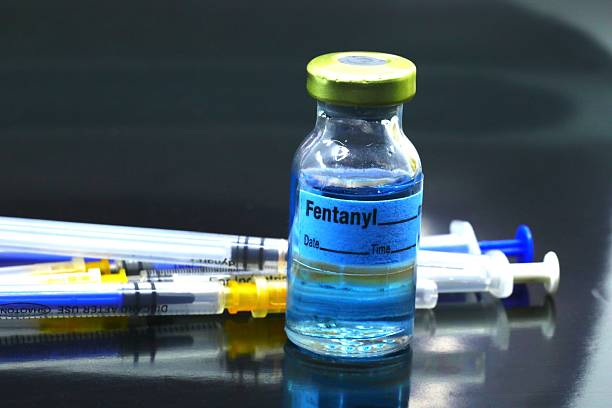
Injectable Solutions
Used in hospitals for immediate pain control or anesthesia.
Lozenges and Tablets
Prescribed for breakthrough pain in opioid-tolerant patients.
Each form is carefully dosed and monitored to reduce risk.
Why Fentanyl Is So Dangerous Outside Medical Use
Fentanyl’s extreme potency is what makes it medically useful — and also what makes it dangerous when misused.
High Potency Risk
A very small amount can cause life-threatening respiratory depression. People often underestimate its strength, particularly in non-medical settings.
Unpredictable Dosage
Illicitly produced fentanyl often varies in strength, making dosing unpredictable and increasing overdose risk.
Rapid Onset of Effects
Fentanyl acts quickly, which means overdose can occur before help arrives.
The Opioid Epidemic and Fentanyl’s Role
Fentanyl is now a major driver of overdose deaths in the United States. Public health agencies, including the Centers for Disease Control and Prevention, identify synthetic opioids as a leading cause of fatal overdoses.
Communities across the country have seen dramatic increases in overdose incidents, prompting expanded prevention strategies and policy responses.
State-Level Public Health Impact
In Florida, overdose deaths have risen significantly over recent years. This has led to expanded harm-reduction policies, increased education programs, and broader access to overdose-reversal medications.
Healthcare systems associated with Veterans Affairs have helped pilot programs that provide education, naloxone distribution, and prevention training nationwide.
Harm Reduction: Evidence-Based Strategies That Save Lives
Harm reduction focuses on preventing overdose and reducing health risks rather than punishing substance use. Research shows these strategies significantly decrease mortality.
Naloxone (Narcan)
Naloxone is a medication that reverses opioid overdoses by restoring breathing. It works by displacing opioids from receptors in the brain.
Key facts:
-
Works within minutes
-
Safe for public use
-
Available in many pharmacies
-
May require multiple doses
Fentanyl Test Strips
Fentanyl test strips detect the presence of fentanyl in substances. Studies show that access to testing tools changes behavior and reduces overdose risk.
Education and Community Training
Training programs teach individuals to:
-
Recognize overdose symptoms
-
Respond quickly
-
Administer naloxone
-
Reduce exposure risk
Emerging Threat: Xylazine in Drug Supplies
Xylazine is a non-opioid sedative increasingly detected in illicit drug supplies. It presents unique dangers because it does not respond to naloxone.
Health Effects of Xylazine Exposure
-
Profound sedation
-
Memory impairment
-
Low blood pressure
-
Slow heart rate
-
Respiratory depression
Severe Skin Wounds and Infection Risk
Xylazine exposure has been associated with:
-
Rapidly developing skin wounds
-
Tissue damage
-
Sepsis
-
Endocarditis
This combination significantly increases medical complications and mortality risk.
Recognizing Fentanyl Overdose Symptoms
Early recognition saves lives. Signs of overdose include:
-
Slow or stopped breathing
-
Extreme drowsiness
-
Inability to wake up
-
Blue lips or fingernails
-
Cold, clammy skin
-
Weak pulse
Immediate emergency care is critical.
Treatment and Recovery Options
Individuals struggling with opioid misuse have access to multiple treatment pathways.
Inpatient Treatment Programs
Structured programs provide:
-
Medical supervision
-
Behavioral therapy
-
Medication-assisted treatment
-
Support groups
-
Relapse prevention education
Medication-Assisted Treatment
Evidence-based medications may include:
-
Buprenorphine
-
Methadone
-
Naltrexone
These treatments reduce cravings and stabilize recovery.
Prevention Strategies for Individuals and Communities
Effective prevention combines medical care, education, and policy measures.
Individual Prevention Steps
-
Use medications only as prescribed
-
Avoid mixing substances
-
Seek help for substance use concerns
-
Learn overdose response skills
Community-Level Strategies
-
Public education campaigns
-
Access to treatment programs
-
Distribution of naloxone
-
Harm reduction services
Common Questions About Fentanyl
Is fentanyl safe when prescribed?
Yes. When used exactly as directed by a healthcare professional, fentanyl can be a safe and effective pain management medication.
Why is fentanyl involved in many overdoses?
Its potency, rapid effects, and variability in illicit forms significantly increase overdose risk.
Can an overdose be reversed?
Yes. Rapid administration of naloxone and emergency care can save lives.
Are there alternatives to fentanyl?
Yes. Healthcare providers may recommend other medications or therapies based on individual needs.
Conclusion: The Importance of Awareness and Responsible Use
Fentanyl represents one of the most complex challenges in modern healthcare. It is simultaneously an essential medical treatment and a major public health concern. Understanding how fentanyl works, why it is dangerous when misused, and how harm-reduction strategies protect lives is critical for patients, families, and communities.
Education, access to treatment, and evidence-based prevention strategies remain the most effective tools for reducing overdose risk and improving outcomes. With informed awareness and responsible medical use, fentanyl can continue to serve its vital role in pain management while minimizing harm.