

Description
Fentanyl: Uses, Effects, Risks, and Alternatives
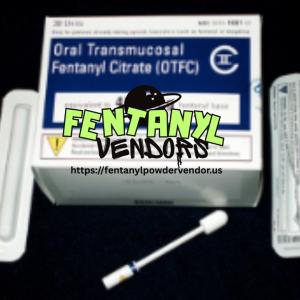
Fentanyl Powder For Sale, Fentanyl is a highly potent synthetic opioid that has become one of the most widely discussed medications in recent years due to its critical role in pain management and its connection to the ongoing opioid crisis. Understanding what fentanyl is, how it works, its medical applications, and the risks associated with its use is essential for patients, caregivers, and anyone concerned about opioid safety. Fentanyl For Sale Online
What is Fentanyl?
Fentanyl is a powerful synthetic opioid analgesic, meaning it is a man-made drug designed to relieve severe pain. It is 50 to 100 times more potent than morphine, making it one of the strongest pain-relieving medications available in modern medicine. Fentanyl works on the brain’s opioid receptors to alter how the nervous system perceives and responds to pain.
Originally developed in the late 1950s by Dr. Paul Janssen, fentanyl was first used as an intravenous anesthetic during surgery. Since then, it has become a critical tool in managing pain for patients with severe injuries, post-surgical pain, or advanced diseases such as cancer.
What is Fentanyl Used For?
Fentanyl is primarily prescribed for managing severe, chronic pain that does not respond well to other painkillers. Some common medical applications include:
-
Cancer pain management: Often used for patients with advanced cancer experiencing continuous, severe pain.
-
Post-surgical pain relief: Administered in hospitals following major surgeries or trauma.
-
Anesthesia adjunct: Used with other medications during surgery for pain control and sedation.
-
End-of-life care (palliative care): Helps manage pain in patients with terminal illnesses.
-
Breakthrough pain: Used by patients already tolerant to opioids who experience sudden flare-ups of pain.
Because of its high potency, fentanyl is usually prescribed only to patients already taking opioid medications and who have developed some tolerance, reducing the risk of life-threatening respiratory depression.
How Does Fentanyl Work?
Fentanyl is a full opioid agonist, meaning it fully activates the brain’s mu-opioid receptors, which are responsible for regulating pain and emotions. When fentanyl binds to these receptors:
-
Pain signals are blocked: This reduces the transmission of pain messages from the body to the brain.
-
Euphoria and relaxation occur: Fentanyl can create feelings of well-being or pleasure, which is why it has a high potential for misuse.
-
Respiratory suppression may happen: It slows breathing, which can be dangerous or fatal if doses are too high.
Fentanyl is fast-acting and can work within minutes, but its duration varies depending on the formulation used.
What Forms of Fentanyl Are There?
Medically prescribed fentanyl comes in several forms to meet different patient needs. Common formulations include:
-
Transdermal patches (e.g., Duragesic®): Slowly release fentanyl through the skin over 48–72 hours for long-term pain management.
-
Lozenges or lollipops (e.g., Actiq®): Used for breakthrough pain, especially in cancer patients.
-
Tablets or sublingual films: Dissolve under the tongue or inside the cheek for fast pain relief.
-
Nasal sprays: Provide rapid relief for severe pain episodes.
-
Injectable solutions: Administered intravenously or intramuscularly in hospitals for anesthesia or acute pain.
Outside of prescription use, illicit fentanyl and fentanyl analogs are illegally manufactured and sold on the black market. These forms are often mixed with other drugs (like heroin, cocaine, or counterfeit pills), significantly increasing overdose risks.
What are the Possible Side Effects of Taking Fentanyl?
Even when used exactly as prescribed, fentanyl can cause side effects. Common and less severe effects include:
-
Drowsiness or sedation
-
Nausea and vomiting
-
Constipation
-
Sweating or flushing
-
Confusion or dizziness
-
Dry mouth
However, more serious side effects may occur, including:
-
Severe respiratory depression: Slowed or stopped breathing, which can be fatal.
-
Low blood pressure (hypotension): May cause dizziness or fainting.
-
Dependence and withdrawal: Long-term use can lead to physical dependence, with withdrawal symptoms appearing if the drug is stopped abruptly.
-
Allergic reactions: Rarely, some individuals may experience severe allergic responses.
Patients using fentanyl patches or other forms should never cut, chew, or alter the medication, as this can release a potentially fatal dose.
What are the Risks Associated with Fentanyl?
Fentanyl use carries several significant risks, particularly when misused or obtained illegally:
-
Overdose Risk: Due to its extreme potency, even small errors in dosage or accidental exposure can cause fatal breathing suppression.
-
Illicit Fentanyl Contamination: Street drugs are often laced with fentanyl or stronger analogs (like carfentanil) without the user’s knowledge, leading to unexpected overdoses.
-
Addiction Potential: Fentanyl has a high risk of misuse because of its euphoric effects. Long-term use can quickly lead to opioid use disorder.
-
Accidental Exposure: Improper handling of patches or other formulations can unintentionally expose children, pets, or non-patients to dangerous amounts.
-
Drug Interactions: Combining fentanyl with alcohol, sedatives, or benzodiazepines greatly increases the risk of overdose and death.
Are There Any Alternatives to Fentanyl?
Yes, there are several alternatives for pain management, depending on the severity and nature of the pain:
-
Other opioids: Morphine, hydromorphone, or oxycodone may be prescribed for severe pain but have lower potency than fentanyl.
-
Non-opioid medications: NSAIDs (ibuprofen, naproxen), acetaminophen, or certain antidepressants and anticonvulsants can help manage chronic pain.
-
Local anesthetics and nerve blocks: Used for specific injuries or surgeries.
-
Non-pharmacological therapies: Physical therapy, acupuncture, cognitive behavioral therapy, and other holistic approaches can reduce reliance on opioids.
-
Medical devices: Spinal cord stimulators or TENS units may help in some cases of chronic pain.
Patients should always consult a healthcare professional to discuss safe, effective pain management strategies tailored to their individual needs.
Key Takeaway
Fentanyl is a life-saving medication when used correctly under medical supervision. However, due to its extreme potency and the rise of illicit fentanyl in street drugs, it is also one of the most dangerous opioids contributing to the global overdose crisis. Awareness of its medical uses, potential side effects, and safer alternatives can help patients and communities make informed decisions about pain treatment and opioid safety.
Dowkes –
They understand urgency and privacy, which is hard to find. Every package I’ve sent with them has reached its destination perfectly handled and on time
Wiederhold –
I’ve used many couriers over the years, but this is the first one that feels truly trustworthy for private deliveries. Five stars without hesitation
Mathieu Leroc –
The whole process was straightforward yet extremely secure. My item arrived earlier than expected, and the delivery person was professional and respectful.”
Keshaundra Jackson –
Delivered earlier than promised and kept everything confidential.
Daniel Fuentez –
This was my first time using their service, and I was blown away by how seamless everything was. From booking to delivery, it was clear they prioritize privacy and reliability.
Alani Hairston –
I had a fragile, sensitive package that required discretion, and they delivered it exactly as promised. Nothing damaged, no exposure, just excellent service
Jason Davis –
Every delivery I’ve done with them has been a positive experience. They show consistency, professionalism, and real respect for their clients’ privacy
Emerson O –
“I’ve never had to worry about my packages since using this service.
Ben Huculak –
From the moment I booked, I felt reassured that my delivery was in safe hands. They kept me informed just enough without compromising the confidentiality I asked for.
Celia Morales –
It’s rare to find a courier that genuinely respects confidentiality. These guys understand what private delivery means and execute it perfectly every time
Marcus Jacobs –
Private courier services don’t get better than this.
Beverly McMahan –
I had a last-minute delivery that needed to stay confidential, and they handled it without any hesitation. Smooth, professional, and completely reliable service.
Alex lucus –
What I love about this agency is how effortless they make everything feel. You don’t have to worry about prying eyes or mishandling—they’ve got it covered.
william black –
Their service gives me peace of mind. I know that whenever I send something with them, it will get there safely, privately, and on time. It’s worth every penny.
Lance Seman –
Perfect for sensitive items. My delivery arrived safe and unnoticed.
Gregory Lynch –
Exceptional professionalism from start to finish
Luis Garcia –
I’ve referred friends to them because of their secure approach.
Deshawn Williams –
Highly recommend this company to anyone who needs sensitive items delivered safely. They’ve handled multiple deliveries for me and have always been fast, discreet, and respectful